
Capital Flows and Their Currency Impact
See how foreign direct investment, portfolio flows, and remittances affect ringgit strength. Understanding capital movement is key to predicting currency trends.

Why Capital Flows Matter More Than You Think
Money moves. Every single day, billions of dollars flow across borders seeking better returns, safer havens, or new opportunities. When that money comes into Malaysia, it strengthens the ringgit. When it leaves, the opposite happens. It’s that straightforward.
Most people focus on interest rates or trade balances when they think about currency strength. But here’s the thing — capital flows often matter more. A foreign company deciding to build a factory here, a pension fund buying Malaysian bonds, or overseas workers sending money home. These actions create real demand for ringgit, moving the exchange rate without a central bank doing anything.

The Three Types of Capital Flows
Each type moves the needle differently on the ringgit.
Foreign Direct Investment (FDI)
Companies buying factories, land, or setting up operations here. A semiconductor plant from Taiwan, an electronics facility from Singapore — these create sustained demand for ringgit because the investor needs local currency to pay workers, suppliers, and contractors. FDI’s the most stable type.
Portfolio Investment
Investors buying bonds, stocks, or other securities. Foreign funds might suddenly pour billions into Malaysian government bonds if yields look attractive. The problem? This money’s quick to leave if conditions change. One rate hike in the US and hot money disappears overnight.
Remittances and Other Flows
Workers sending money home, families transferring funds, regular business payments. It’s steady, unglamorous, but reliable. Millions of ringgit flow in daily from overseas Malaysians. It doesn’t grab headlines, yet it quietly supports currency strength month after month.
How Capital Flows Actually Move the Exchange Rate
The mechanism’s simple. When foreign investors want ringgit, they need to sell their own currency to buy it. That increases demand for ringgit, pushing its value up against other currencies. Conversely, when Malaysian investors want to move money abroad, they sell ringgit, increasing supply and weakening it.
Think of it like any market. Apple stock rises when more people want to buy than sell. The ringgit works exactly the same way. During 2021-2022, Malaysia saw significant portfolio outflows as the US raised interest rates. Higher returns in America made Malaysian bonds less attractive. The ringgit weakened accordingly, falling from around 4.0 to 4.7 per US dollar.
The Key Point: Capital flows create currency pressure independent of trade. Even if Malaysia’s exports are booming, a sudden withdrawal of foreign portfolio investment can still push the ringgit down. The flows matter that much.


Why Volatility Spikes During Capital Flight
Here’s where things get tense. Portfolio flows can reverse quickly. When confidence drops — maybe due to global uncertainty, a rate decision, or political concerns — foreign investors rush for the exits simultaneously. This creates volatility.
The ringgit doesn’t move gradually in these situations. It drops sharply as sellers outnumber buyers dramatically. We’ve seen this happen. During the 2018 political transition, the ringgit fell nearly 5% in weeks as foreign funds exited Malaysian assets. The same happened during the 2020 COVID crash when emerging market currencies got hammered.
FDI, by contrast, doesn’t cause these sharp swings because companies don’t suddenly pull out factories. The capital’s invested for years, so flows stay relatively stable. This is why Malaysia’s policy makers prefer FDI over hot portfolio money — it’s predictable and strengthens the currency sustainably.
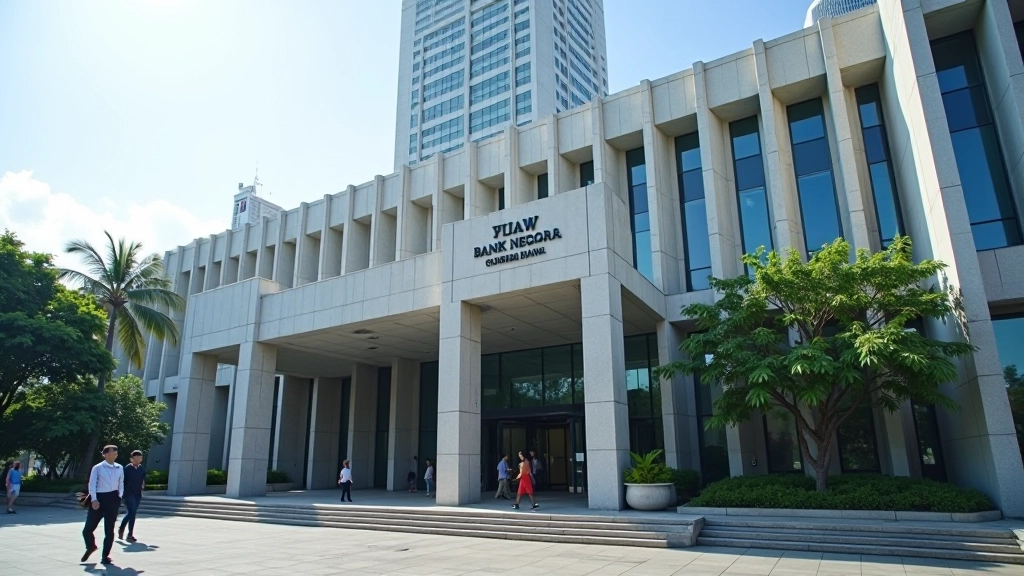
Bank Negara’s Response to Capital Flows
Malaysia’s central bank doesn’t just watch. When capital flows become disruptive, Bank Negara steps in. The toolkit includes several options. Foreign exchange interventions — buying or selling ringgit in the market — can stabilize the currency during volatile periods. Between 2020-2022, the central bank actively managed ringgit volatility as global conditions shifted.
Interest rate adjustments also influence capital flows indirectly. Higher rates make ringgit assets more attractive to foreign investors, encouraging inflows. Lower rates reduce that attraction. Bank Negara uses this carefully, balancing currency stability with domestic economic needs.
There’s also forward guidance — signaling the bank’s future direction to markets. When the governor suggests the ringgit’s reasonably valued, it can discourage speculative selling. When suggesting caution about capital outflows, it might slow portfolio withdrawals. These words carry weight.

The Export Competitiveness Trade-Off
Here’s the paradox. Strong capital inflows strengthen the ringgit. But a stronger ringgit makes Malaysian exports more expensive abroad. Companies shipping electronics, palm oil, or manufactured goods suddenly face headwinds as their prices rise in foreign currency terms.
Malaysia’s manufacturers understand this tension well. When the ringgit strengthens — say from 4.3 to 4.0 per dollar — Thai competitors become cheaper by comparison. Vietnamese manufacturers gain market share. The ringgit’s strength becomes a competitive disadvantage despite signaling economic confidence.
This is why sustained FDI matters more than portfolio flows. FDI brings capital AND creates export-oriented industries. A semiconductor plant using ringgit-denominated inputs benefits from ringgit strength because both revenues and costs are in ringgit. The exchange rate matters less for competitiveness. Portfolio flows, by contrast, strengthen the ringgit without creating offsetting export capacity.
What to Watch Going Forward
Three factors will shape Malaysia’s capital flows in the coming months.
Global Interest Rates
If the US Federal Reserve holds rates steady or cuts them, portfolio investors might find Malaysian bonds more attractive again. Lower global rates typically encourage emerging market inflows. Conversely, surprise rate hikes trigger outflows.
Regional Trade Tensions
Trade disputes affecting Southeast Asia directly impact FDI decisions. Companies relocating from China might view Malaysia as a manufacturing hub, boosting inflows. Alternatively, protectionist policies could discourage new investment.
Domestic Stability
Political consistency and policy predictability matter enormously. Foreign investors need confidence. Any uncertainty — whether political, regulatory, or economic — encourages capital withdrawal. Malaysia’s policy consistency since 2022 has supported gradual FDI growth.
The Takeaway
Capital flows don’t make headlines the way trade wars do, yet they’re arguably more important for currency strength. Every dollar that enters Malaysia creates demand for ringgit. Every dollar that leaves reduces it. It’s mechanical and powerful.
Understanding this mechanism helps you anticipate currency movements. When you see foreign investment surging, expect ringgit strength ahead. When portfolio flows reverse, prepare for volatility. And when policy makers discuss capital controls or investment incentives, you’ll understand they’re really trying to manage these flows.
The ringgit’s future depends on whether Malaysia can attract stable, long-term capital. That’s not flashy, but it’s fundamental. Companies building factories, not traders chasing quick profits, create lasting currency strength.
Educational Disclaimer
This article is for informational and educational purposes only. It explains how capital flows affect currency values and provides context on economic mechanisms. It’s not investment advice, financial guidance, or a recommendation to trade currencies. Capital markets involve risk, and currency movements depend on many unpredictable factors. Before making any financial decisions, consult with qualified financial advisors or professionals who understand your specific situation. Historical examples are provided for learning purposes only and don’t guarantee future outcomes.