
MYR/USD Fluctuation Patterns Explained
Learn what causes ringgit movements against the dollar and how to recognize common trading patterns that repeat in currency markets.

Why the Ringgit Moves: Understanding the Basics
Currency doesn’t move randomly. There’s a reason the ringgit strengthens one month and weakens the next. It’s not magic — it’s economics. Supply and demand drive everything. When foreign investors want Malaysian assets, they need ringgit. That increases demand. The currency appreciates. Conversely, when Malaysians buy foreign goods or invest overseas, they sell ringgit. Supply goes up, price goes down.
But that’s only part of the story. Interest rates, inflation, political stability, and global commodity prices all play roles too. The MYR/USD pair specifically responds to several unique factors. Oil prices matter because Malaysia exports petroleum. US Federal Reserve decisions ripple through the ringgit. Capital flows from regional economies shift the balance. Understanding these connections helps you recognize patterns instead of just reacting to headlines.

The Four Key Fluctuation Patterns
Currency traders recognize patterns that repeat over time. These aren’t random squiggles on a chart — they’re predictable movements based on underlying forces. The ringgit follows distinct patterns you’ll see again and again if you know what to look for.
Commodity Cycle Pattern
When oil and palm oil prices rise, the ringgit typically strengthens. Malaysia’s exports become more valuable. Investors see stronger earnings coming. They buy ringgit. You’ll notice this pattern plays out over weeks or months, not days. It’s gradual but consistent. When commodities crash, the opposite happens. The ringgit weakens as export revenues decline.
Risk-On/Risk-Off Cycle
During global uncertainty — think financial crises or geopolitical tension — investors flee to safe havens. The US dollar strengthens because it’s the safest asset. The ringgit weakens relative to the dollar. But when markets feel confident, risk appetite returns. Emerging market currencies like the ringgit outperform. You’ve probably seen this during stock market rallies versus sell-offs.
Interest Rate Differential Pattern
Higher interest rates attract foreign money. When Bank Negara raises rates while the Federal Reserve stays flat, carry traders borrow dollars (cheap) and invest in ringgit assets (higher returns). This pushes the ringgit stronger. The opposite occurs when the Fed hikes faster than BNM. Money flows out. The ringgit depreciates. Watch these movements closely — they’re predictable once you understand the rate environment.
Seasonal Calendar Pattern
Certain times of year bring predictable flows. Chinese New Year sees outflows as Malaysians travel and spend abroad. Year-end brings corporate repatriation of foreign earnings. Ramadan affects consumer spending and import patterns. These seasonal moves aren’t huge, but they’re real. Traders who know the calendar profit from these expected shifts.

The Forces Behind the Movements
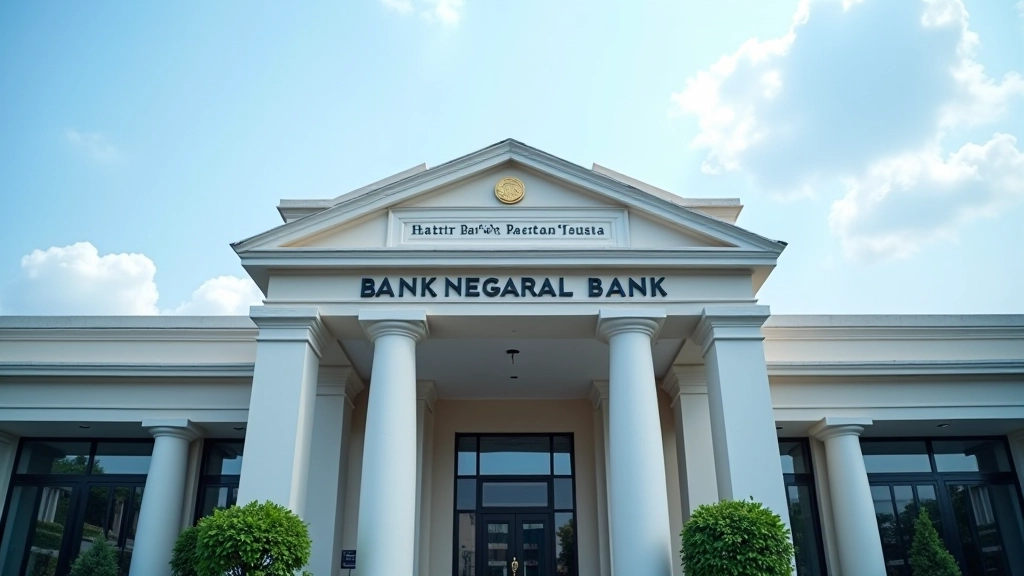
You can’t understand ringgit patterns without knowing the forces that create them. Several major factors interact constantly. Bank Negara doesn’t just sit passively watching the exchange rate. Malaysia’s central bank actively manages the ringgit through several tools. Direct intervention in currency markets happens when volatility becomes excessive. They’ll buy or sell ringgit to stabilize it. Capital controls also exist — though they’re less restrictive now than in the past.
Foreign direct investment flows matter enormously. When Samsung or Intel invests billions in Malaysian manufacturing, they bring foreign currency that gets converted to ringgit. That strengthens the currency. When multinational companies repatriate profits back to their home countries, it’s the opposite — ringgit weakens. These flows aren’t tiny either. In a typical year, Malaysia receives $8-12 billion in FDI. That’s serious money moving the market.
Capital Flows and Portfolio Effects
Portfolio investors add another layer of complexity. When foreign funds buy Malaysian government bonds or stocks, they need ringgit. Large purchases push the currency higher. But these flows are fickle. A single piece of bad economic data can reverse billions in flows within hours. You’ve seen this volatility spike after inflation surprises or earnings misses.
The Real Impact: During 2023-2024, portfolio outflows from emerging markets (including Malaysia) added about 3-5% depreciation pressure to the ringgit beyond what commodity prices alone would suggest. These flows matter.
Remittances from Malaysians working abroad also affect the currency. It’s smaller than FDI but steady and predictable. Roughly $2-3 billion flows in annually from overseas workers. During economic downturns, when more Malaysians emigrate temporarily, remittances increase. This provides a stabilizing effect on the ringgit when other flows weaken.


Export Competitiveness and the Currency Trade-Off
Here’s the dilemma Malaysia faces. A weaker ringgit helps exporters. Malaysian semiconductors, electronics, and palm oil become cheaper for foreign buyers. Sales volumes increase. Manufacturers celebrate. But import-dependent businesses suffer. A weaker ringgit makes imported raw materials and machinery more expensive. Input costs rise. Profit margins compress. The economy has to balance these competing interests.
In 2023, when the ringgit weakened to 4.70 against the dollar, export competitiveness improved. Malaysian manufacturers saw order books fill up. But importers of electronics components and industrial equipment faced higher costs. That’s the constant tension. A stronger ringgit hurts exporters but helps consumers and import-based businesses. Malaysia’s government and Bank Negara try to find the sweet spot — strong enough to maintain purchasing power, weak enough to support export growth. It’s a delicate balance that’s never perfect.
How to Recognize These Patterns Yourself
Track the Drivers Simultaneously
Keep tabs on three things at once: crude oil prices, US-Malaysia interest rate differentials, and global risk sentiment. You don’t need sophisticated tools. A spreadsheet with daily data works fine. Over 2-3 months, you’ll start seeing correlations. When oil rises 5% and the ringgit strengthens 1-2%, you’ve spotted the commodity pattern.
Watch the Divergences
Sometimes the ringgit moves opposite to what fundamentals suggest. Oil rises but the ringgit weakens anyway. That’s when other factors dominate. Usually it’s risk sentiment shifting. Global stock markets sell off. Money flees emerging markets. The pattern breaks temporarily. These divergences tell you something important is changing. They’re warning signals.
Look for Confirmation Across Multiple Timeframes
A one-day move doesn’t make a pattern. Real patterns persist across weeks or months. When you see the same directional move across daily, weekly, and monthly charts, that’s confirmation. The pattern is genuine. Short-term noise fades. Sustained trends remain. That’s how you distinguish signal from noise.
Monitor Bank Negara Communications
When Malaysia’s central bank makes statements about the exchange rate or monetary policy, the market reacts. Hawkish signals (indicating rate increases) strengthen the ringgit. Dovish signals weaken it. Reading BNM’s monthly statements and policy announcements gives you advance warning of potential shifts. Don’t wait for the moves — anticipate them.
Bringing It All Together
The ringgit doesn’t move randomly. Patterns emerge from economic fundamentals, central bank actions, and global capital flows. You’ve now learned the four key patterns: commodity cycles, risk sentiment swings, interest rate differentials, and seasonal flows. These repeat constantly. Once you recognize them, currency movements start making sense instead of feeling chaotic.
The most important insight? Multiple forces interact simultaneously. You can’t rely on just one driver. Oil prices matter, but so do interest rates. Capital flows matter, but so does risk sentiment. Malaysia’s export competitiveness depends on all of these working together. Understanding this complexity helps you think like the market thinks. You’ll anticipate moves instead of being surprised by them. That’s the edge knowledge provides.
Want to dive deeper into specific aspects of currency dynamics? Explore our related articles on Bank Negara intervention strategies and capital flow mechanisms.
Educational Disclaimer
This article is for educational and informational purposes only. It explains currency market dynamics and historical patterns to help you understand how exchange rates work. It isn’t financial advice, investment recommendations, or trading signals. Currency markets involve significant risk. Past patterns don’t guarantee future results. Circumstances change. Factors interact in unexpected ways. If you’re considering currency trading or foreign exchange decisions, consult with a qualified financial advisor who understands your personal situation. Bank Negara Malaysia and other regulatory bodies provide official information on currency policy and market regulations.
Explore Related Topics